Builder, Father, Psychologist
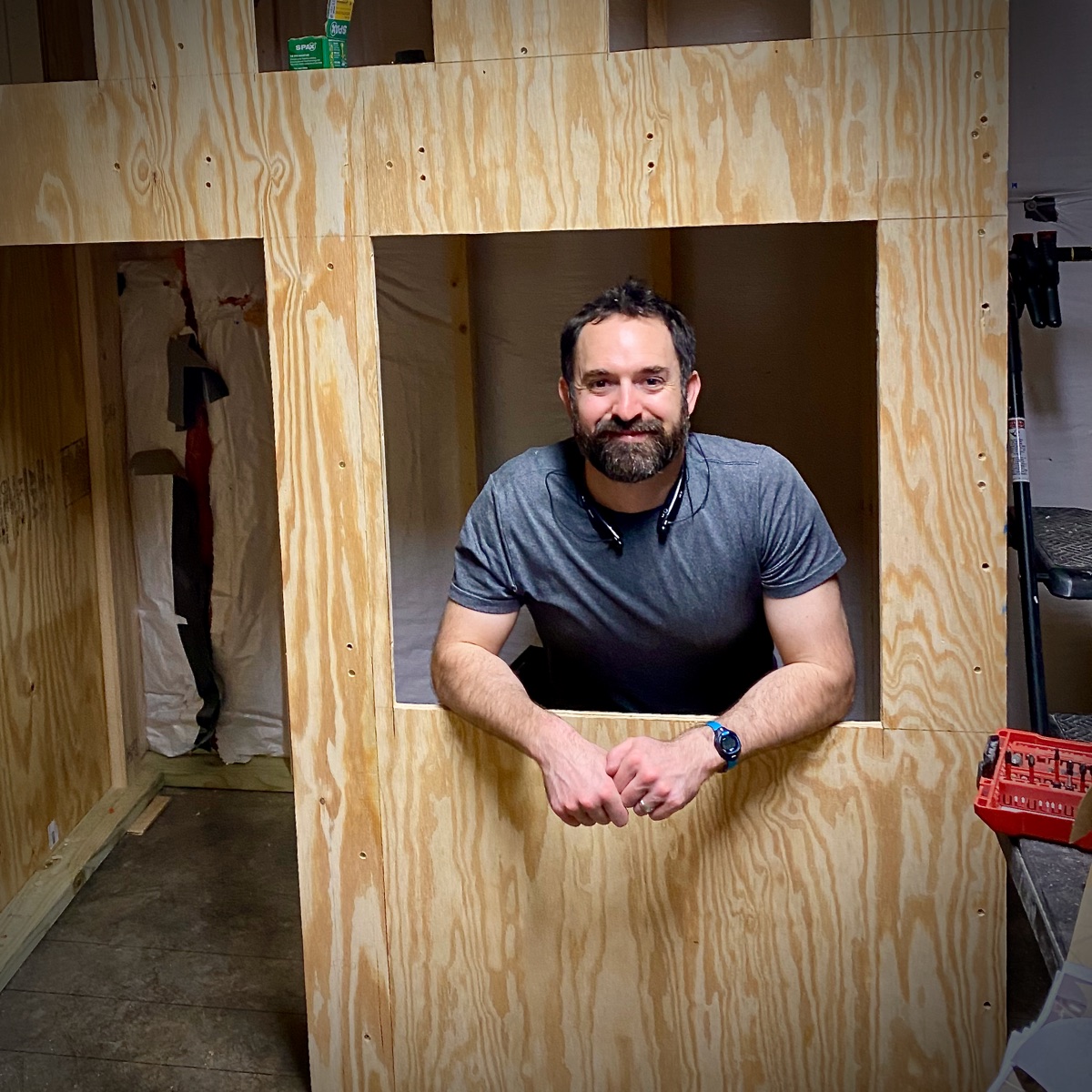
I'm David Peterson — a father of six, a woodworker, and an industrial-organizational psychologist. I have a PhD from the University of Oklahoma, and I study how people think creatively — what happens in your mind when you're trying to solve a problem, and how you can get better at it. I'm a professor and award-winning teacher who has taught creativity, innovation, and leadership at universities in the U.S. and the U.K.
I started building out of necessity. When I was in grad school with three kids, we couldn't afford quality furniture — so I learned to make it. My first real project was a bed my wife wanted for our son. She had her eye on a Pottery Barn bed that cost about $1,500. I found plans online, built the whole thing for a fraction of that, and it lasted through three moves — Oklahoma to England to Virginia — and three kids slept in it before we finally gave it away.
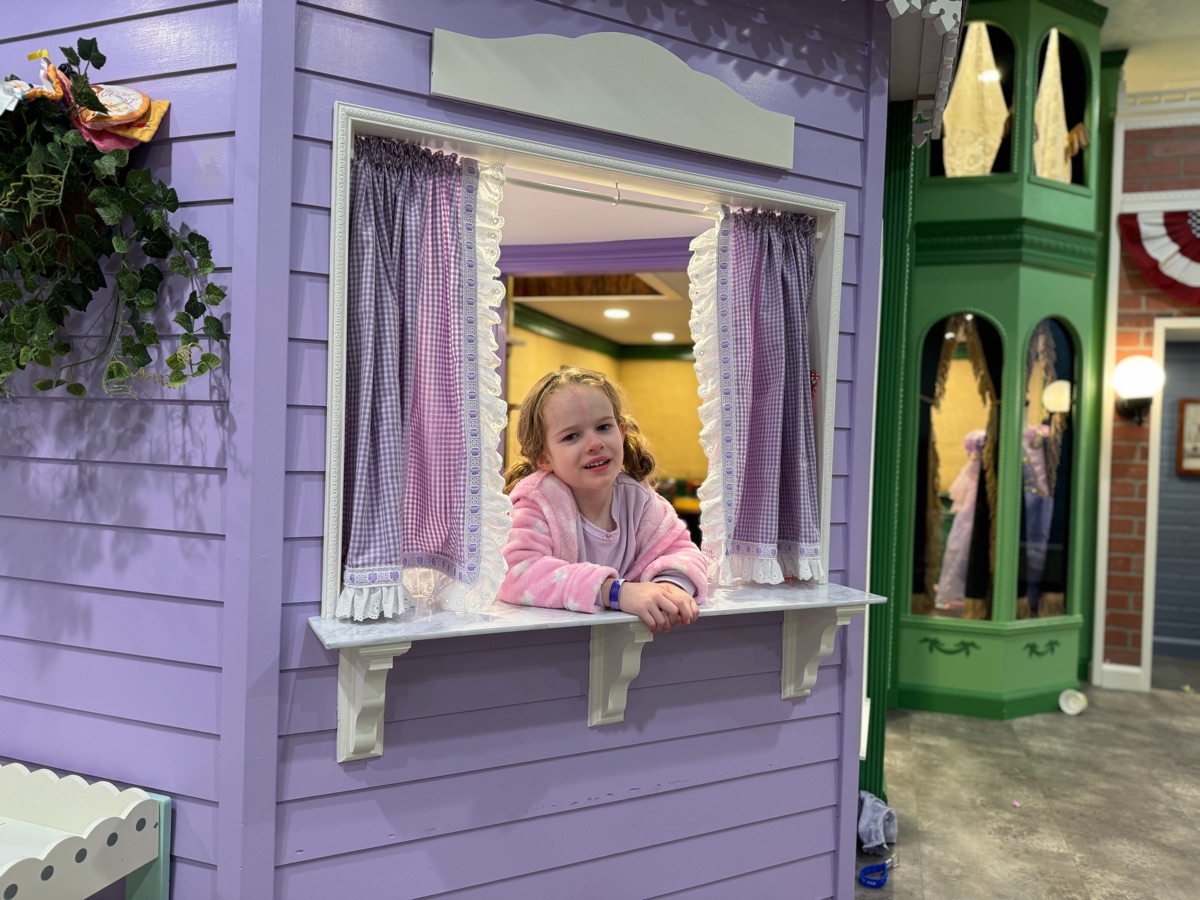
Years later, we knew we wanted to build a playhouse in the basement for the kids. I wanted something small. My wife kept wanting to make it bigger. Then one day we looked at each other and said, "What if we just went all out?" Five years and six buildings later, we had a Victorian village of indoor playhouses.
Why I Started Peterson Plans
Building that village without plans nearly broke me. There were so many days I refused to go down to the basement because I knew what was waiting: trying to design and build at the same time, figuring out the next cut, rechecking a dimension, second-guessing a measurement. Then I built myself proper plans, and everything changed. It felt like building a Lego set. My wife noticed before I did: I was having fun again.
That's when it clicked. The problem with most woodworking plans isn't that builders lack skill — it's that the plans create unnecessary cognitive load. They make you stop and think about the wrong things. I've spent over a decade teaching people how to think through problems — and winning awards for it — because I care whether people actually understand what I'm explaining. That same approach drives every plan I design: one task per step, clear diagrams that answer three questions in three seconds (what is it, where does it go, how is it oriented), and checkpoints that tell you exactly what to verify before moving on.
Every building in the playhouse village was built before it was planned. These aren't theoretical drawings — they're proven builds, reverse-engineered into plans that let you enjoy the build.
"Dad, if something costs too much dollars then we can just build it."— Jack, age 5
What Makes These Plans Different
I'm not a professional woodworker — I'm a psychologist who builds things. That distinction matters. I design plans the way I design research: systematically, with the end user in mind. My research on creative thinking and mental models has shown me how people process new information — and where they get stuck. Every plan adapts to your room dimensions. Every cut list is optimized to minimize waste. Every instruction card is tested against real builders at different skill levels.
Psychologist-Designed
Instructions grounded in cognitive load theory, spatial cognition, and visual design research.
Fits Your Space
Enter your room dimensions. The system generates materials, cuts, and instructions sized exactly for your space.
Proven Builds
Every building was constructed first, then documented. No untested theory — just builds that work.
Built for Focus
One task per card. Clear diagrams. Checkpoints. Designed so you never have to stop and figure out what comes next.